244, Old Tehsil Street, Roorkee, UK
Voice : +91 0755 228 155
 Support
info@futuretechplanet.com
Support
info@futuretechplanet.com
Support
info@futuretechplanet.com
Support
info@futuretechplanet.com
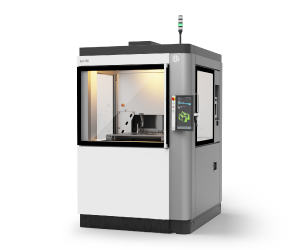
Properties
SLA quality at high throughput to address the broadest range of applications
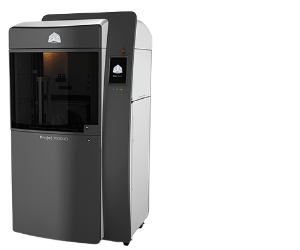
Properties
All the benefits of SLA 3D printing in extra-large format
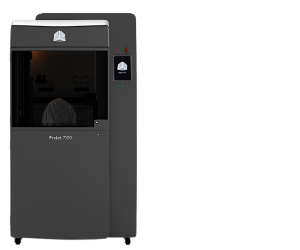
Properties
Mid-range integrated solution for SLA quality and accuracy
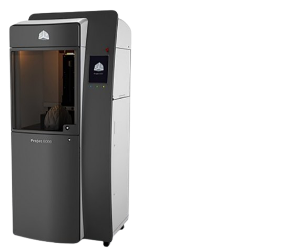
Properties
SLA quality and accuracy for fine jewelry
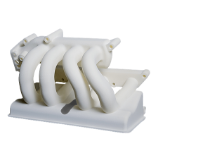
Accura Xtreme White 200 (SLA).
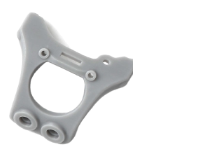
Accura Xtreme (SLA).
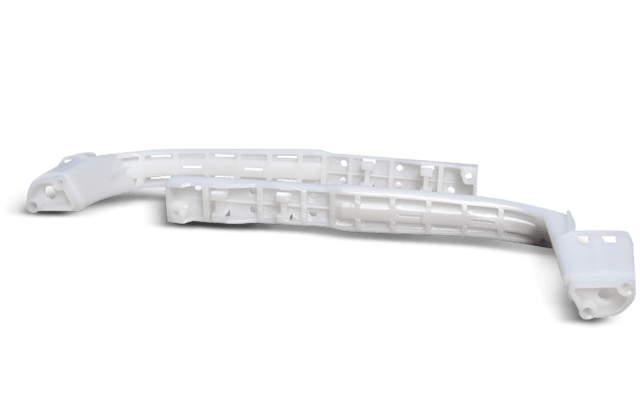
Accura ABS White (SL 7810) (SLA).
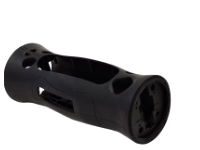
Accura ABS Black(SL 7820) (SLA).
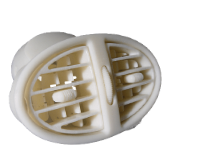
Accura 55 (SLA).
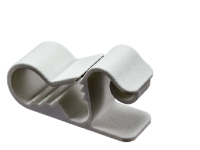
Accura 60 (SLA).
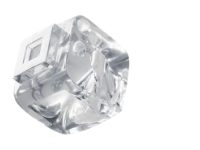
Accura ClearVue Free (SL 7870) (SLA).
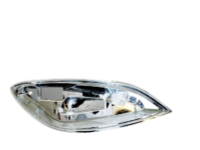
Accura ClearVue (SLA).
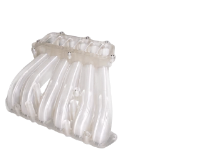
Accura SL 5530 (SLA).
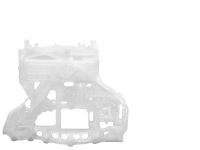
Accura CastPro (SLA).
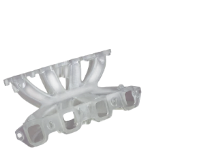
Accura 48HTR (SLA).
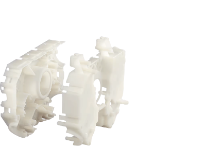
Accura PP White (SL 7811) (SLA).
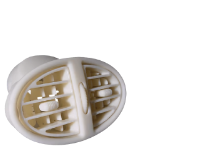
Accura
25 (SLA).
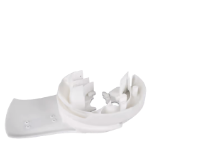
Accura HPC.
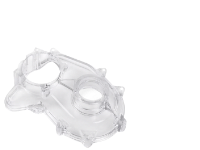
Accura Phoenix (SLA).
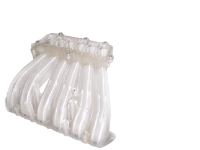
Accura SL 5530 (SLA).
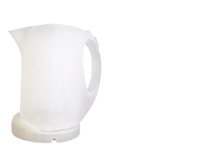
Accura PEAK (SLA).
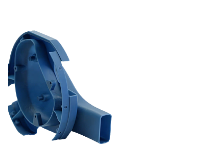
Accura Bluestone (SLA).
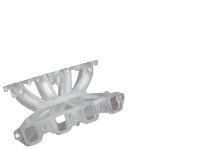
Accura 48HTR (SLA).
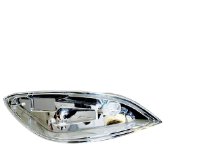
Accura SL Y-C 9300 (SLA).
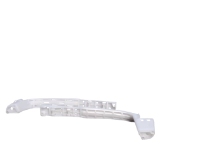
Accura ABS White (SL 7810) (SLA).
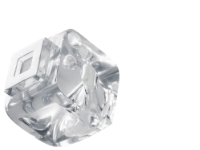
Accura ClearVue (SLA).
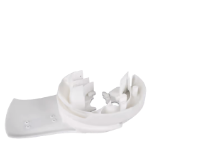
Accura HPC.
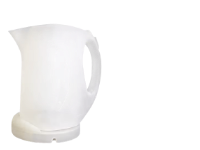
Accura PEAK (SLA).
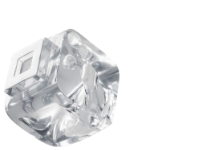
Accura Bluestone (SLA).
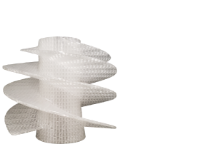
Accura Fidelity (SLA).
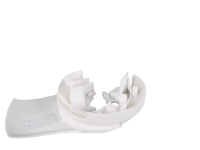
Accura Phoenix (SLA).
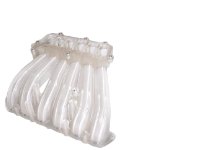
Accura SL 5530 (SLA).
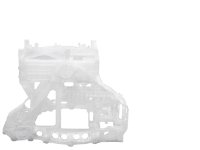
Accura CastPro (SLA).
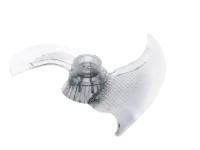
Accura 60 (SLA).
Accura ClearVue Free (SL 7870) (SLA).
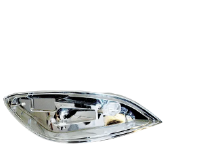
Accura ClearVue (SLA).
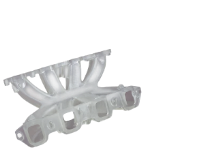
Accura 48HTR (SLA).
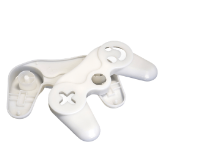
Accura Xtreme White 200 (SLA).
Accura ABS White (SL 7810) (SLA).
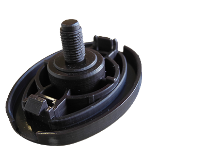
Accura ABS Black (SL 7820) (SLA).
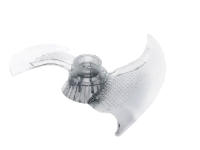
Accura 60 (SLA).
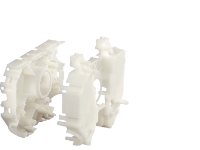
Accura PP White (SL 7811) (SLA).
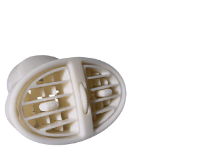
Accura 25 (SLA).
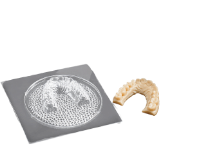
Accura e-Stone (SLA).
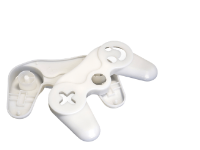
Accura 55 (SLA).
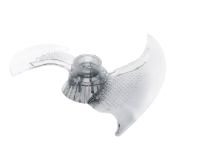
Accura 60 (SLA).
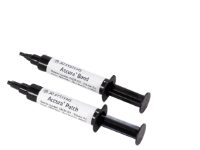
Accura Patch & Accura Bond (SLA).
Stereolithography (SLA) is the first commercialized 3D printing technology, invented by 3D Systems' Co-Founder and Chief Technology Officer Chuck Hull in the 1980s. It uses an ultraviolet laser to precisely cure photopolymer cross-sections, transforming them from liquid to solid. Parts are built directly from CAD data, layer-by-layer into prototypes, investment casting patterns, tools, and end-use parts. Once the SLA printing process is complete, SLA parts are cleaned in a solvent solution to remove any residual uncured resin from the part surface.
SLA 3D printers are able to deliver highly detailed, tiny parts just a few mm in size, all the way up to 1.5 m long parts—all at the same exceptional resolution and accuracy. Even large parts remain highly accurate from end-to-end, with virtually no part shrinkage or warping.
Delivering the smoothest surface finish of any additive manufacturing process, the quality of SLA parts makes this versatile technology great for:
The Direct Metal Printing (DMP) technology provides unlimited design flexibility and overcomes the limitations related to geometry and surface retention found in conventional manufacturing techniques. This makes Direct Metal Printing ideal for producing compact components with highly complex anatomical shapes, internal channels, complex surface texture and high levels of detail as well as parts of over 400 millimeter high.
© Futuretech Planet. All Rights Reserved. Designed by Code Savvy